STARFLEET TECHNICAL REFERENCE · 2371
Weapons and Defences
USS Ermiana · 2371 · Phaser arrays · Photon torpedoes · Deflector shields · Internal force fields
Use this page to write a Tactical report, choose the right system for a scene, or find the detailed weapons and defences records.
Defensive systems
| System | What it protects | Report to Command |
|---|---|---|
| Deflector shields | External defensive coverage against threats. Generators feed the shield grid. | Which arc took the hit, its remaining strength and whether backup coverage is available. |
| Internal force fields | Local barriers across passages or around a confined area. They can contain a hazardous space or restrict access. | Barrier location, what it isolates, and which routes remain open for crew and response teams. |
| Hull and structure | Physical protection around the crew and support for the frame. Engineering assesses damage that reaches the hull. | Impact location, breach or pressure status, and any new limit on manoeuvring. |
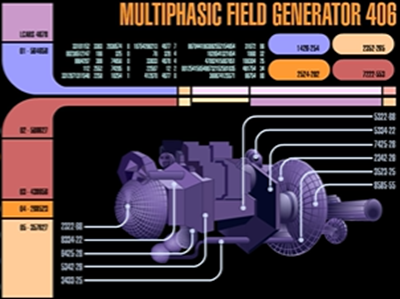
Backup generators can help restore coverage if the relevant grid and feeds still work. A switch to backup power can leave a damaged arc weak. For a shuttle recovery or beam-out with shields raised, coordinate a window with Ops, Flight Control and Command. The navigational deflector is the separate system that clears the flight path.
Shipboard weapons
| Weapon | Role aboard the Ermiana | Report to Command |
|---|---|---|
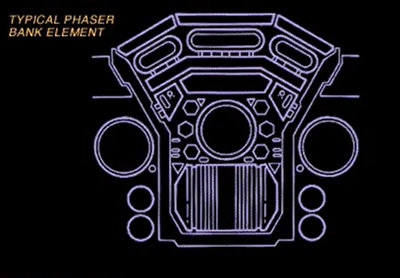
| Phaser arrays | Power-fed beam weapons. An array uses multiple emitter elements to direct fire within its coverage. | Available array, firing arc, target lock and any power or tracking limits. |
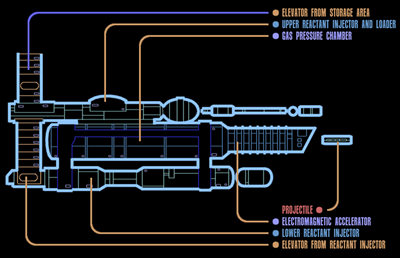
| Photon torpedoes | Launched ordnance carried in finite stores. Launcher readiness and safe firing clearance both matter. | Launcher status, ordnance available, target lock and whether nearby craft are clear. |
Cloaking Devices and Detection covers tachyon scans and other fictional sensor methods. A suspect return gives Tactical a contact to investigate. A reliable firing solution requires a sufficiently firm track and Command’s authorisation.
Reporting from the bridge
Tactical reports the threat and defensive state. Engineering explains what the ship can sustain, and Ops coordinates power, recovery or transporter needs. The Officer of the Watch or the Captain gives the order. Use the alert guide for station assignments and the bearings guide to give the bridge a precise direction.
“Port shields are down to forty per cent. The backup feed is available, but Engineering reports damage to the grid. Port phaser array is ready. No firm lock on the contact yet.”
Auto-destruct
Auto-destruct is a last-resort command decision. Older Galaxy-class procedures required authorisation by the commanding and executive officers. In a scene, establish who has authority, who is still aboard, and who is coordinating evacuation or separation.