
STARFLEET TECHNICAL REFERENCE · 2371
Computer Systems
Ermiana fit · 2371 · Four isolinear computer cores · Bio-neural gel packs · LCARS 5.3
USS Ermiana is one of the first Galaxy-class ships fitted with bio-neural circuitry. The technology was introduced and tested aboard Intrepid-class starships. On the Ermiana, gel packs work alongside isolinear optical chips, with both connected to the ship’s Optical Data Network.
System overview
| Component | Role aboard the Ermiana |
|---|---|
| Isolinear computer cores | Four cores provide central processing and data storage. Isolinear chips are still used throughout the ship. |
| Bio-neural gel packs | Distributed processing modules in selected parts of the computer system. They help organise information and improve response time. |
| Optical Data Network (ODN) | Optical links carry information among the cores, local processors, ship systems and consoles. |
| LCARS 5.3 | The interface the crew uses to retrieve records, issue commands and monitor authorised systems. |
The USS Ermiana ship record describes this vessel’s fit. Other Galaxy-class ships may have a different core arrangement or no bio-neural equipment.
Computer cores and isolinear chips
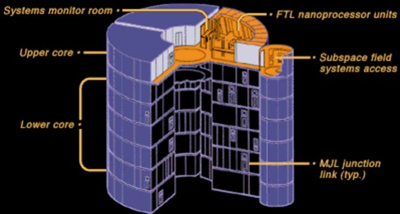
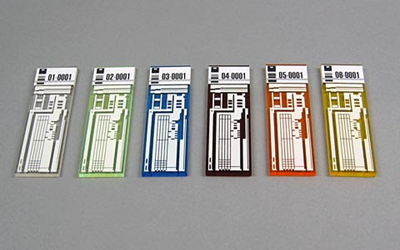
Computer cores handle the main processing load and store shipboard records. Isolinear optical chips can hold data and support processing. A removable chip might carry a diagnostic log or load a system configuration. In a core, many chips work together in banks. Distributed subprocessors handle work closer to the systems that need it.
If a core becomes unavailable, Engineering and Operations can try to shift priority services to the remaining equipment. Which services can resume depends on what is still powered, connected and able to take the load.
Bio-neural circuitry
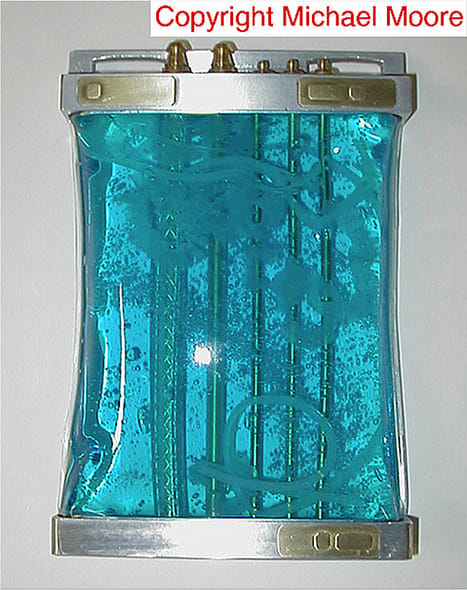
A bio-neural gel pack contains living components in a gel medium and the hardware needed to connect them to the ship’s computer network. Intrepid-class development brought this technology into service. The USS Voyager carried it at launch in 2371. The Ermiana was among the early Galaxy-class adopters.
On the Ermiana, the packs augment the isolinear system. A failure can affect the equipment served by a particular branch. Engineering can isolate it and, where a compatible route exists, transfer priority work to isolinear processors. A failed pack can be replaced from spares. An ordinary replicator cannot produce a replacement gel pack.
Optical Data Network
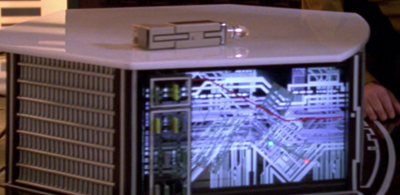
The ODN carries data along optical links. Main connections link the cores and larger subsystems. Local connections carry traffic to consoles, sensors and other equipment. A broken link can cut off a working console or device from the computer. If another path is open, Operations can reroute traffic while Engineering checks the fault.
LCARS 5.3
The Library Computer Access and Retrieval System is the crew’s interface to shipboard systems. Officers can use consoles or voice commands to query records, call up status displays and issue instructions. Access depends on the user’s authority and the system involved. A console may respond normally while reporting that a particular service is unavailable.
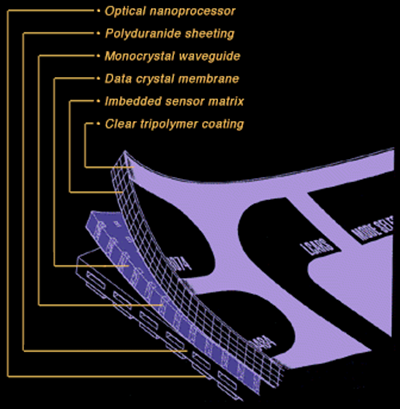
Engineering reference
See System diagnostic levels for automated checks and tests that call for hands-on crew verification.
In a scene, report what the crew can confirm. A panel that stops updating could have a local fault, a lost ODN connection or an issue with the processing equipment that serves it. The chief can assign different checks to Engineering and Operations.
“Main computer is responding. The affected consoles share an ODN branch. Ops, route priority alerts around it while Engineering checks the local gel-pack module.”
See Engineering and Operations for department responsibilities.