
STARFLEET SCIENCE / PLANETARY SURVEY RECORDS · 2371
Planetary Classifications
Reference profiles for the 22 planetary classes used by the USS Ermiana archive.
Overview
Planetary classification provides Starfleet science teams with a shared reference for the atmosphere, surface environment, expected life and physical characteristics of a world.
In this archive's classification system, a planet orbits a star or stellar remnant, is sufficiently massive to be nearly spherical under its own gravity, has cleared its orbital region of other significant bodies apart from satellites, and remains below the deuterium-fusion threshold. The archive then assigns one of 22 planetary classes based on surface and atmospheric conditions.
These classifications and stated values reproduce the USS Ermiana RPG reference system, rather than serving as a current scientific taxonomy. Missing letters in the sequence are intentional and follow the source.
Find a planetary class
Search by classification, environmental conditions, atmospheric composition, habitability or an example planet.
Showing 22 planetary classes
Planetary classification records
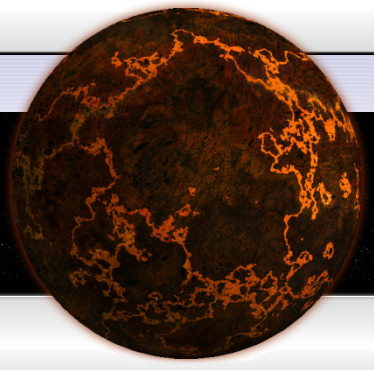
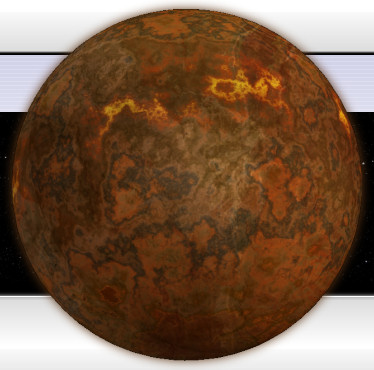
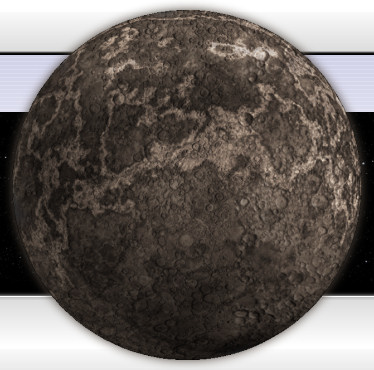
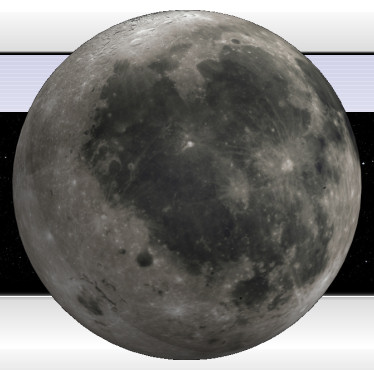
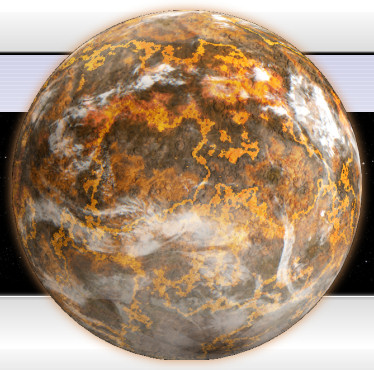
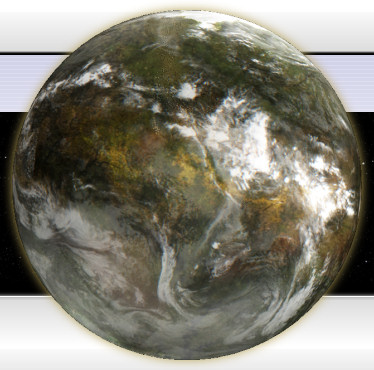
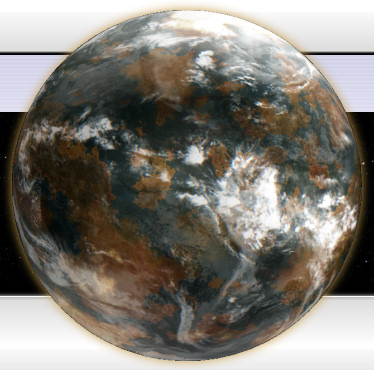
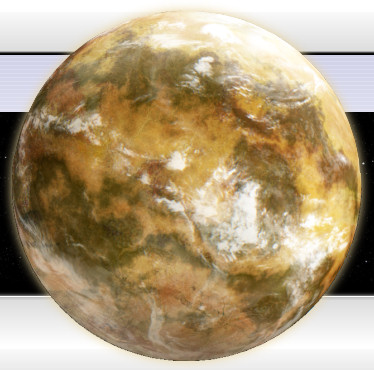
The specification values below are retained from the original USS Ermiana database entry. Each image corresponds to the indicated class and retains the original source illustration.
Class A — Geothermal
- Age
- 0-2 billion years old
- Diameter
- 1,000 - 10,000 km
- Location
- Hot Zone/Ecosphere/Cold Zone
- Surface
- Partially molten, very hot
- Atmosphere
- Carbon dioxide, hydrogen
- Evolution
- Cools to become Class C
- Life forms
- None
- Examples
- Gothos
Class B — Geomorteus
- Age
- 0-10 billion years old
- Diameter
- 1,000 - 10,000 km
- Location
- Hot Zone
- Surface
- Partially molten
- Atmosphere
- Extremely tenuous
- Evolution
- N/A
- Life forms
- None
- Examples
- Mercury, Nebhilum
Class C — Geo-Inactive
- Age
- 2-10 billion years old
- Diameter
- 1,000 - 10,000 km
- Location
- Hot Zone/Ecosphere/Cold Zone
- Surface
- Barren
- Atmosphere
- None
- Evolution
- N/A
- Life forms
- None
- Examples
- Psi 2000
Class D — Dwarf
- Age
- 2-10 billion years old
- Diameter
- 100 - 4,000 km
- Location
- Hot Zone/Ecosphere/Cold Zone
- Surface
- Barren and cratered
- Atmosphere
- None or very tenuous
- Evolution
- N/A
- Life forms
- None
- Examples
- Pluto, Ceres, Eredas-Il
Class E — Geoplastic
- Age
- 0-2 billion years old
- Diameter
- 10,000 - 15,000 km
- Location
- Ecosphere
- Surface
- Molten, high surface temp.
- Atmosphere
- Hydrogen compounds
- Evolution
- Cools to become Class F
- Life forms
- Carbon cycle
- Examples
- Excalbia
Class F — Geometallic
- Age
- 1-3 billion years old
- Diameter
- 10,000 - 15,000 km
- Location
- Ecosphere
- Surface
- Volcanic, barren
- Atmosphere
- Carbon dioxide, ammonia, methane
- Evolution
- Cools to become Class G
- Life forms
- Bacteria
- Examples
- Janus IV
Class G — Geocrystalline
- Age
- 3-4 billion years old
- Diameter
- 10,000 - 15,000 km
- Location
- Ecosphere
- Surface
- Rocky, mostly barren
- Atmosphere
- Carbon dioxide, oxygen, nitrogen
- Evolution
- Cools to Class H, K, L, M, N O, P
- Life forms
- Vegetation, simple organisms
- Examples
- Delta Vega
Class H — Desert
- Age
- 4-10 billion years old
- Diameter
- 8,000 - 15,000 km
- Location
- Ecosphere
- Surface
- Hot, arid; >20% surface water
- Atmosphere
- Oxygen, nitrogen, argon, metals
- Evolution
- N/A
- Life forms
- Drought-resistant plants/animals
- Examples
- Dimovius, Nimbus III, Corneria, Ocampa
Class I — Ice Giant
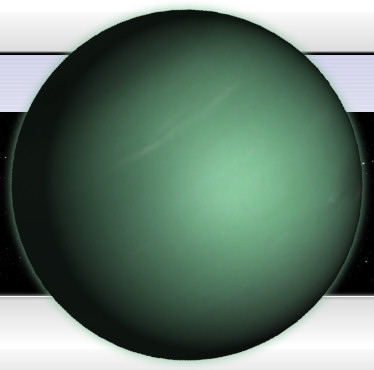
- Age
- 2-10 billion years old
- Diameter
- 30,000 - 100,000 km
- Location
- Cold Zone
- Surface
- Rock, ice, methane, ammonia
- Atmosphere
- Hydrogen, helium
- Evolution
- N/A
- Life forms
- None
- Examples
- Uranus, Neptune, Q'tahL
Class J — Gas Giant
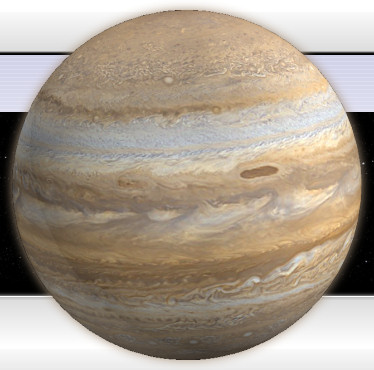
- Age
- 2-10 billion years old
- Diameter
- 50,000 - 500,000 km
- Location
- Cold Zone
- Surface
- Liquid metallic hydrogen
- Atmosphere
- Hydrogen, helium
- Evolution
- N/A
- Life forms
- None
- Examples
- Jupiter, Saturn
Class K — Adaptable
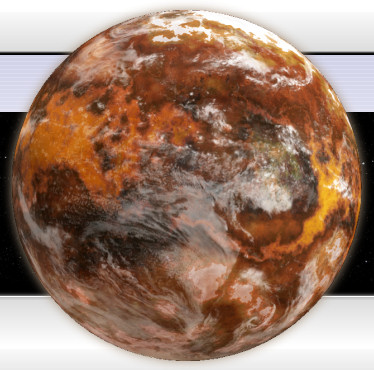
- Age
- 4-10 billion years old
- Diameter
- 5,000 - 10,000 km
- Location
- Ecosphere
- Surface
- Barren, little surface water
- Atmosphere
- Thin, mostly carbon dioxide
- Evolution
- N/A
- Life forms
- Primitive single-cell organisms
- Examples
- Mars, Mudd
Class L — Marginal
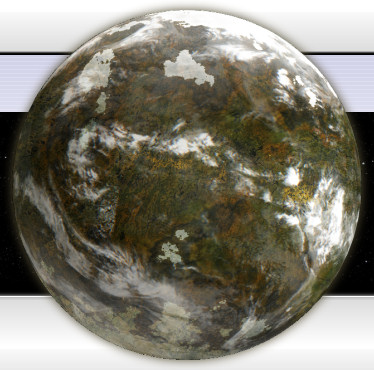
- Age
- 4-10 billion years
- Diameter
- 15,000-30,000 km
- Location
- Ecosphere
- Surface
- Rocky; little surface water
- Atmosphere
- Argon, oxygen, trace elements
- Evolution
- N/A
- Life forms
- Limited to vegetation
- Examples
- Alarin III, Ciden II, Indri VII
Class M — Terrestrial
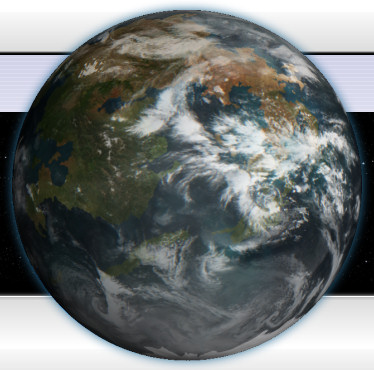
- Age
- 2-10 billion years
- Diameter
- 10,000-15,000 km
- Location
- Ecosphere
- Surface
- Abundant surface water; temperate climate
- Atmosphere
- Nitrogen, oxygen, argon
- Evolution
- N/A
- Life forms
- Vegetation, animal, & humanoid
- Examples
- Earth, Cardassia, Kalidar, Vulcan
Class N — Reducing
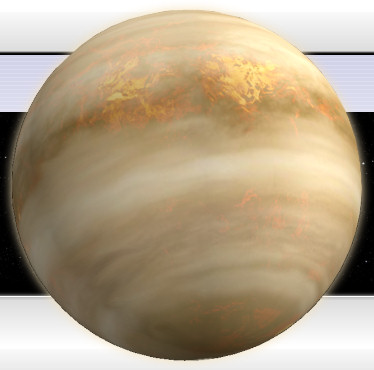
- Age
- 3-10 billion years
- Diameter
- 10,000-15,000 km
- Location
- Ecosphere
- Surface
- Barren; high temperatures
- Atmosphere
- carbon dioxide and sulfides
- Evolution
- N/A
- Life forms
- None
- Examples
- Venus
Class O — Pelagic
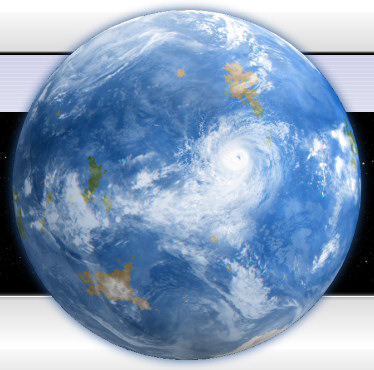
- Age
- 3-10 billion years
- Diameter
- 10,000-15,000 km
- Location
- Ecosphere
- Surface
- 80% water, archipelagos
- Atmosphere
- Nitrogen, oxygen, argon
- Evolution
- N/A
- Life forms
- Cetacean, humanoid, animal
- Examples
- Azati Prime, Ka'Tula Prime, Zirat
Class P — Glaciated
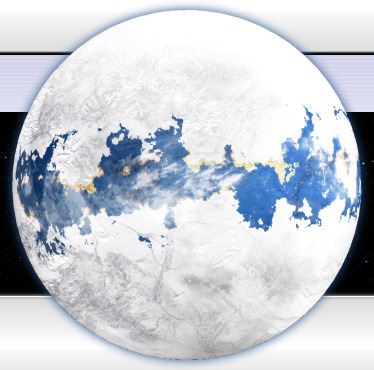
- Age
- 3-10 billion years
- Diameter
- 10,000-15,000 km
- Location
- Ecosphere
- Surface
- 80% frozen water, cold
- Atmosphere
- Nitrogen, oxygen
- Evolution
- N/A
- Life forms
- Vegetation, animal, & humanoid
- Examples
- Andoria, Exo III, Rebena Te Ra, Rura Penthe
Class Q — Variable
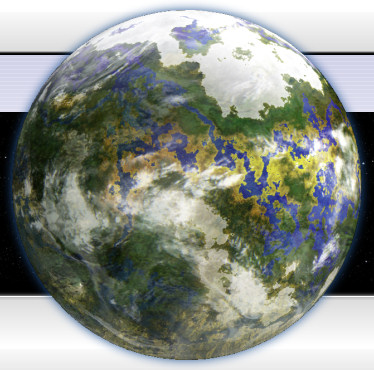
- Age
- 2-10 billion years
- Diameter
- 4,000-15,000 km
- Location
- Hot Zone/Ecosphere/Cold Zone
- Surface
- Molten, frozen, jungle, etc.
- Atmosphere
- Very tenuous to very dense
- Evolution
- N/A
- Life forms
- None
- Examples
- Genesis Planet
Class R — Rogue
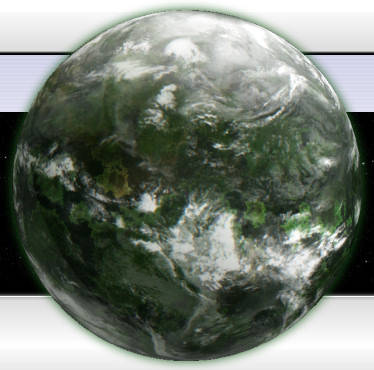
- Age
- 2-10 billion years
- Diameter
- 4,000-15,000 km
- Location
- Interstellar space
- Surface
- Temperate
- Atmosphere
- Primarily volcanic outgassing
- Evolution
- N/A
- Life forms
- Non-photosynthetic plants, animals
- Examples
- Dakala, Veneihm, Founders' Homeworld (prior to 2371)
Class S — Gas Supergiant
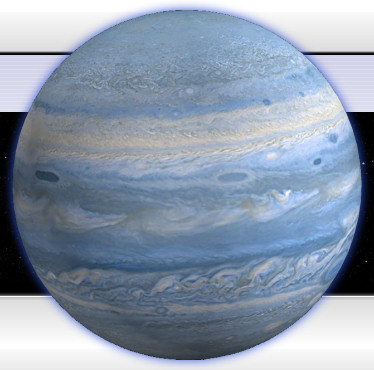
- Age
- 2-10 billion years
- Diameter
- 500,000-100,000,000 km
- Location
- Cold Zone
- Surface
- Liquid metallic hydrogen
- Atmosphere
- Hydrogen and helium
- Evolution
- N/A
- Life forms
- None
- Examples
- Tethe-Alla IV
Class U — Gas Ultragiant
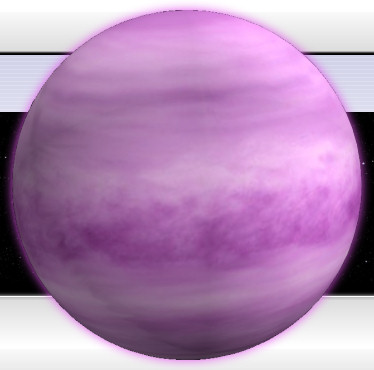
- Age
- 2-10 billion years
- Diameter
- 50,000,000 - 120,000,000 km
- Location
- Hot Zone/Cold Zone
- Surface
- Liquid hydrogen, deuterium
- Atmosphere
- Hydrogen and helium
- Evolution
- Can evolve into red dwarf stars
- Life forms
- None
- Examples
- Diadem, Tethe-Alla V
Class X — Chthonian
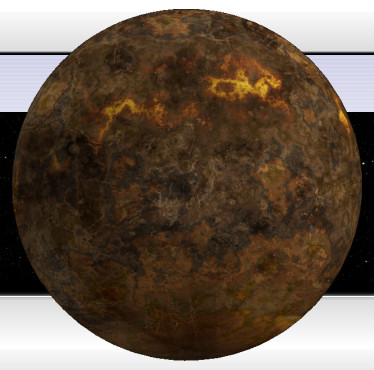
- Age
- 2-10 billion years
- Diameter
- 1,000-10,000 km
- Location
- Hot Zone
- Surface
- Barren, extremely hot
- Atmosphere
- None
- Evolution
- N/A
- Life forms
- None
- Examples
- Osirus
Class Y — Demon
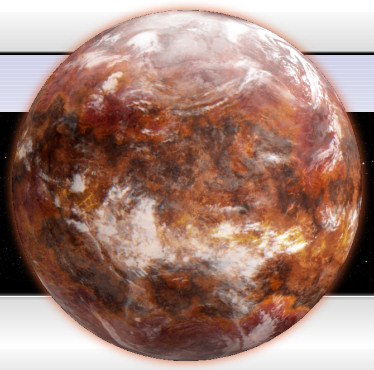
- Age
- 2-10 billion years
- Diameter
- 10,000-15,000 km
- Location
- Hot Zone
- Surface
- Barren; extremely hot
- Atmosphere
- Turbulent, with toxic radiation
- Evolution
- N/A
- Life forms
- None/Extremely rare, Mimetic
- Examples
- Planet Hell (Delta Quadrant)
Source classification system originally credited by the Ermiana wiki to Captain Andrew Cullen, MD (2009), Starfleet Scientific Corps.